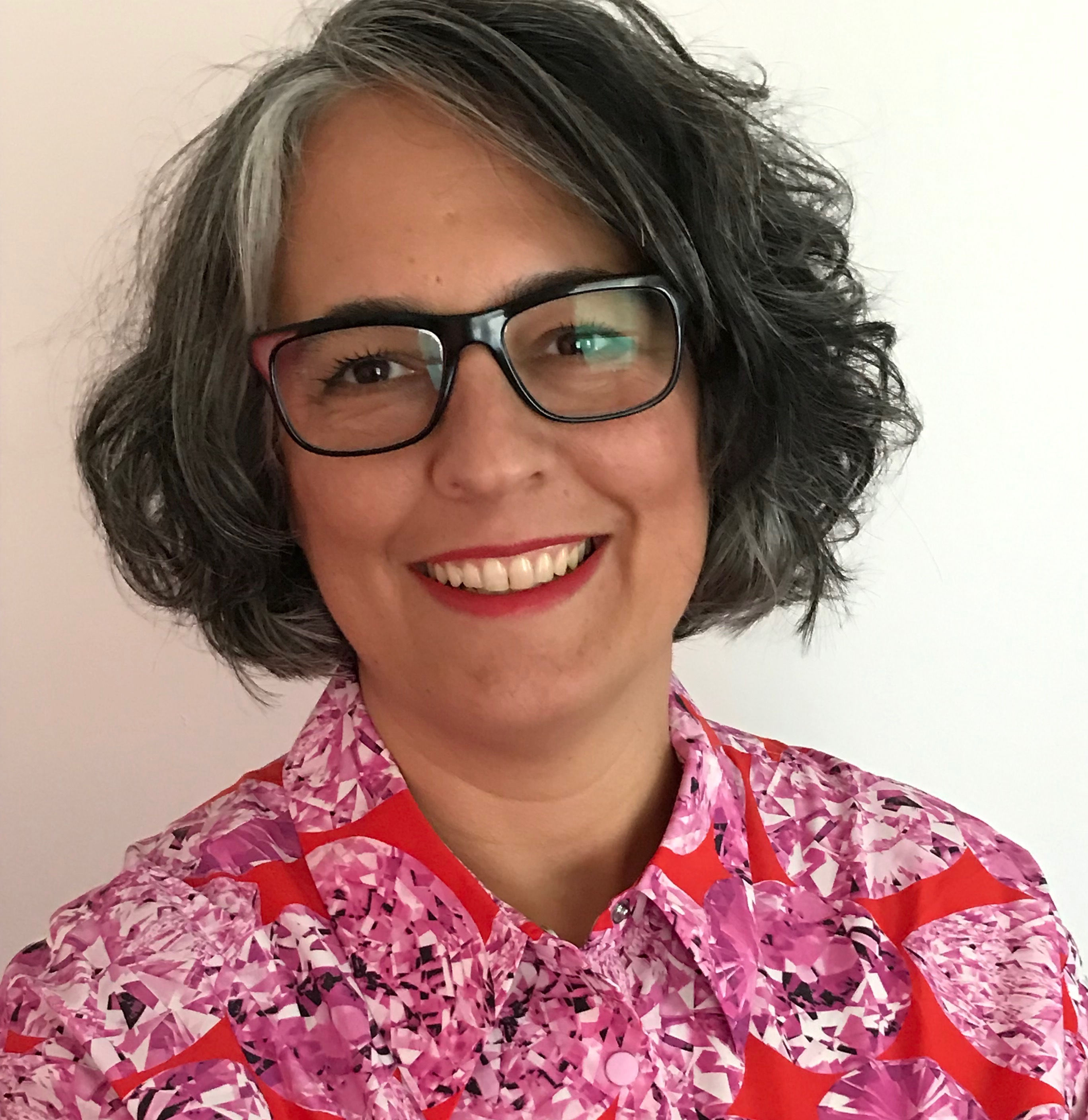
Dr. Andrea Ballestero is Associate Professor of Anthropology and Director of the Ethnography Studio at the University of Southern California. Her book A Future History of Water (Duke 2019) examines how people engage with the world as it is, but differently and do so by creating endless bifurcations. In Costa Rica, the latter are means to create a difference between water as a human right and water as a commodity as material and political projects. She is co-editor of Experimenting with Ethnography: A Companion to Analysis (2021), a collection of essays and protocols to inspire creative analytic ethnographic work. Currently, Dr. Ballestero is writing a book that explores cultural imaginaries of the underground as a new planetary frontier. In recent publications she has explored aquifers as a financial frontier, practices of touching with light through GIS technologies, physical models as hydro-geo-social choreographies of responsibility, and the concept of casual planetarities. Her scholarship is located at the intersection of feminist STS, legal anthropology, and social studies of finance and has been supported by the National Science Foundation, the Mellon Foundation, the Wenner Gren Foundation, the Social Science Research Council, and the Fulbright program. Her works can be found at https://andreaballestero.com.

Luis Diego Arias Campos is a historian who graduated from the University of Costa Rica (UCR). He also studied Forestry Sciences and Education. Currently, he is working on his Master’s thesis in Central American History, focusing on the geopolitical dynamics surrounding the development of bioprospecting/biopiracy in Costa Rica during the second half of the 20th century and the beginning of the 21st century. He works as a research assistant at the Center for Historical Research of Central America (CIHAC), the Center for Geophysical Research (CIGEFI), both at UCR, and at the Longo Mai National Wildlife Refuge. Luís Diego’s research centers on biodiversity and international politics, a pressing concern in contemporary Costa Rica. Studying the geopolitical dynamics around bioprospecting and biopiracy is crucial in a time when biodiversity conservation and the protection of natural resources are globally significant issues.
Past Team Members:
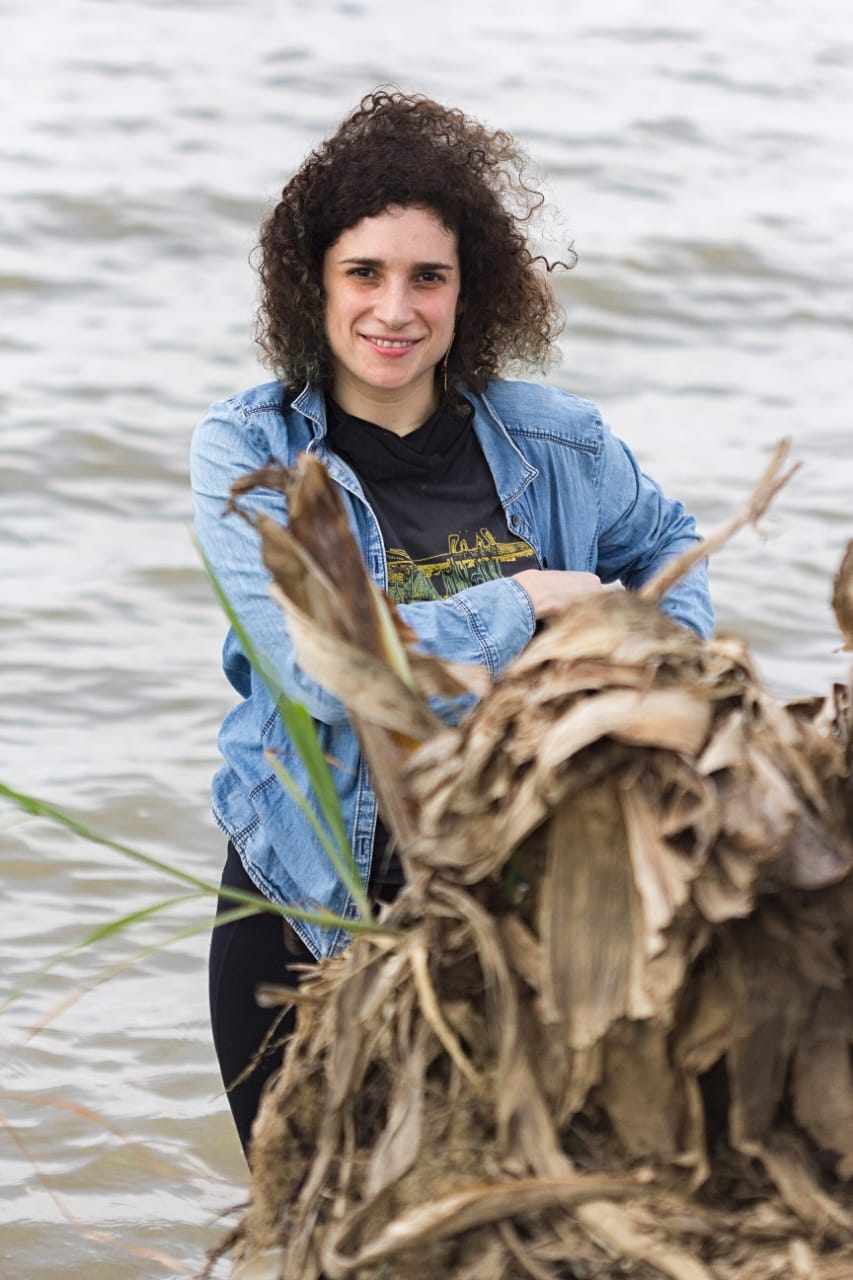
Hannah Meszaros Martin is an artist, filmmaker and writer. She holds a PhD from the Center for Research Architecture, Goldsmiths, University of London. Currently, she is a Postdoc in the ‘Expanding the Social World Downwards’ Project and is responsible for the visual components of the research. She is also a Research Fellow at Forensic Architecture, which she has been a member of since 2012. With FA, she led the two-year investigation with the Colombian Truth Commission which culminated in the exhibition ‘Huellas de desaparición’ which is currently touring Colombia. She now directs a new unit of Forensic Architecture located in Bogotá, Plano Negativo. She was a Mellon-funded PostDoctoral scholar at the University of Santa Cruz from 2019-2020. She has exhibited at the House of World Cultures (Berlin, 2014), MACBA (Barcelona, 2017) and MUAC (Mexico City, 2017), the Center for Contemporary Art at Ujazdowski Castle (Warsaw, 2019), documenta(13), and Manifesta(13). She has published with the Journal of Political Ecology, Journal of Visual Cultures, Open Democracy, Third Text, Different Skies, and FORENSIS (Sternberg Press, 2014).
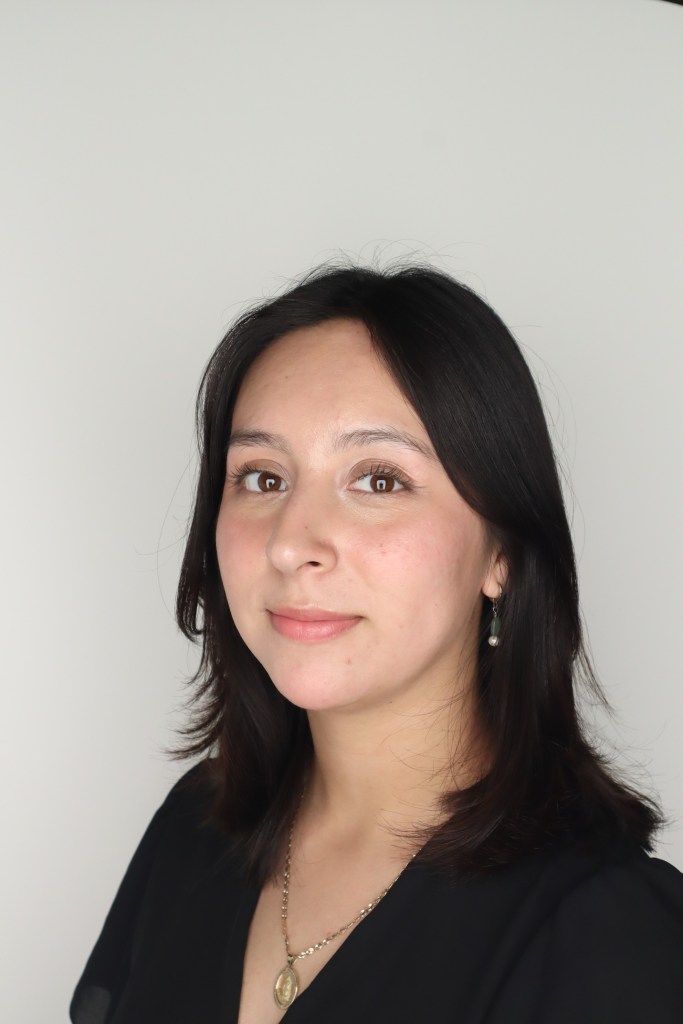
Mariana Hernández is an undergraduate student currently pursuing a Bachelor of Science degree in Geodesign at the University of Southern California. Her interests lie at the intersection of sustainability, humanitarian efforts, and community outreach. She is slated to assume the role of Vice President at SC Mappers, a chapter of YouthMappers dedicated to applying geographic information systems to humanitarian efforts, public policy, and environmentalism. This chapter actively encourages community members to utilize these techniques for mapping purposes. Previously, Mariana served as a geospatial intern at an architecture firm and as a teaching assistant at the USC Neighborhood Academic Initiative. Through these experiences, she discovered her passion for making spatial data accessible to community members residing in East Los Angeles.
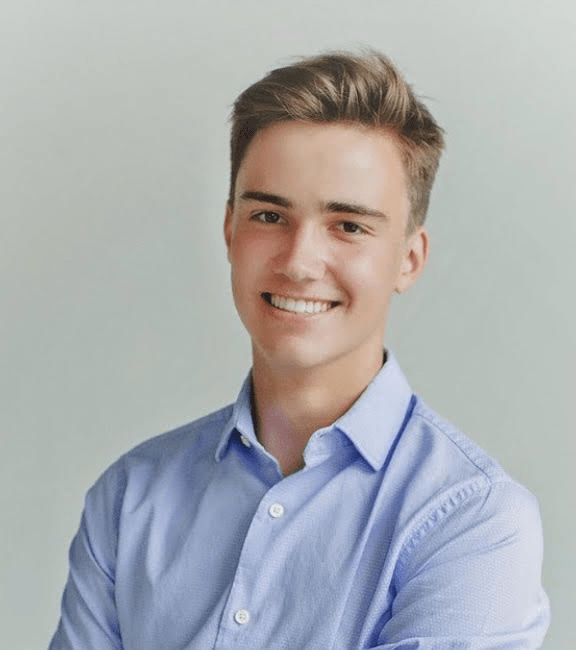
Luke Legrand is a 3D artist, Data Visualization Lead, and Cinema and Information Technology student at USC. Currently he works at the Ganek Immersive Studio exploring advanced media technologies as well as new understandings of the inner workings of AI/ML. He is focused on steerable motion within the latent space of diffusion models as basis for creation and control. He is interested in any/everything to do with new technology, media, and engineering and aiming for a career connecting technology and people in positive ways.
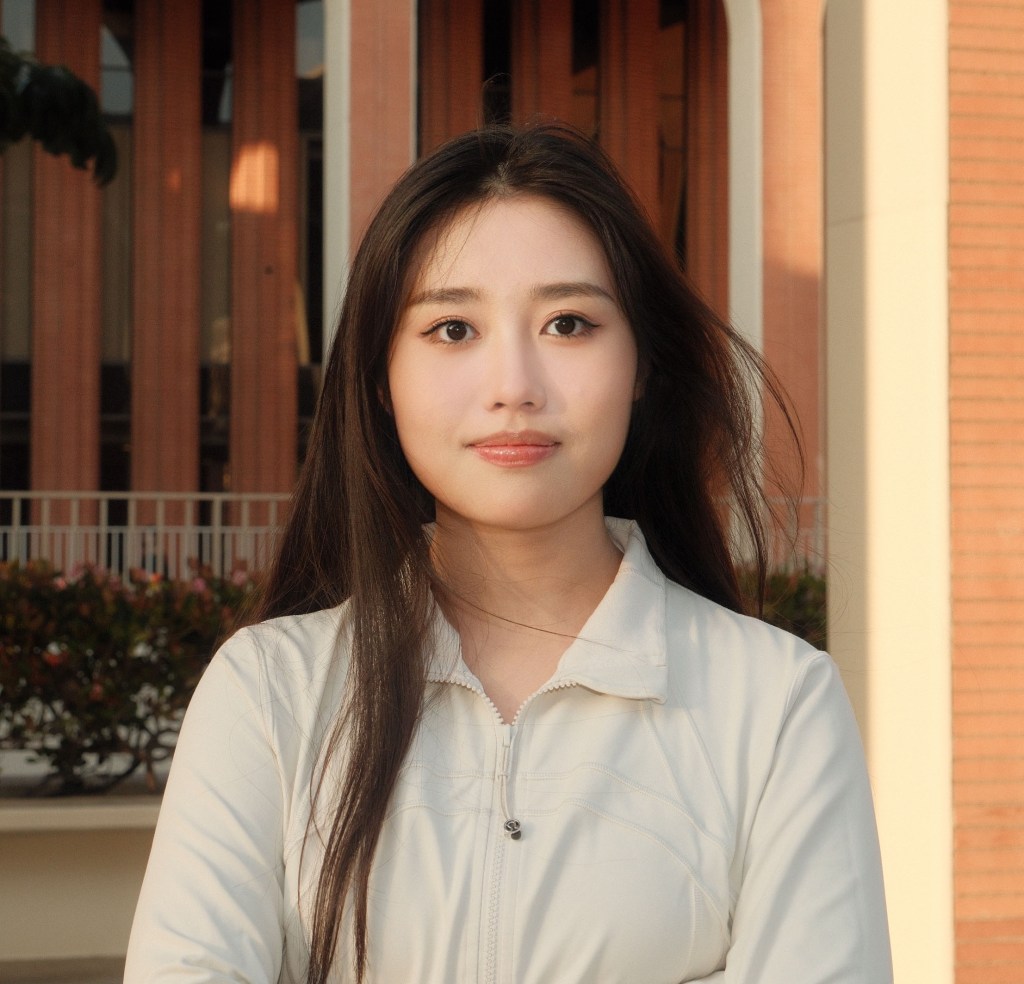
Morandi Wu is a junior at USC pursuing her BA Art at the Roski School of Art and Design and the Media Arts and Practice program at the School of Cinematic Arts. She creates work exploring ecofeminism, sustainability, and speculative ecology. Her projects include an ecofeminist digital zine, installations “Lively Dried-up” and “Share Shell,” the experimental video “Resonance,” and the digital collage “Flow,” all examining natural forms to express life, protection, and environmental interconnection. In 2022, Morandi joined the Arts Climate Collective to engage in climate action through art. In 2024, she collaborated with team members at Metabolic Studio on “Reunion,” a multidisciplinary installation addressing speculative ecology and urban redevelopment. Drawing on her experiences and passion, Morandi aims to make complex research accessible, using visual formats to empower the public to engage with ecological issues, fostering understanding and inspiring action.
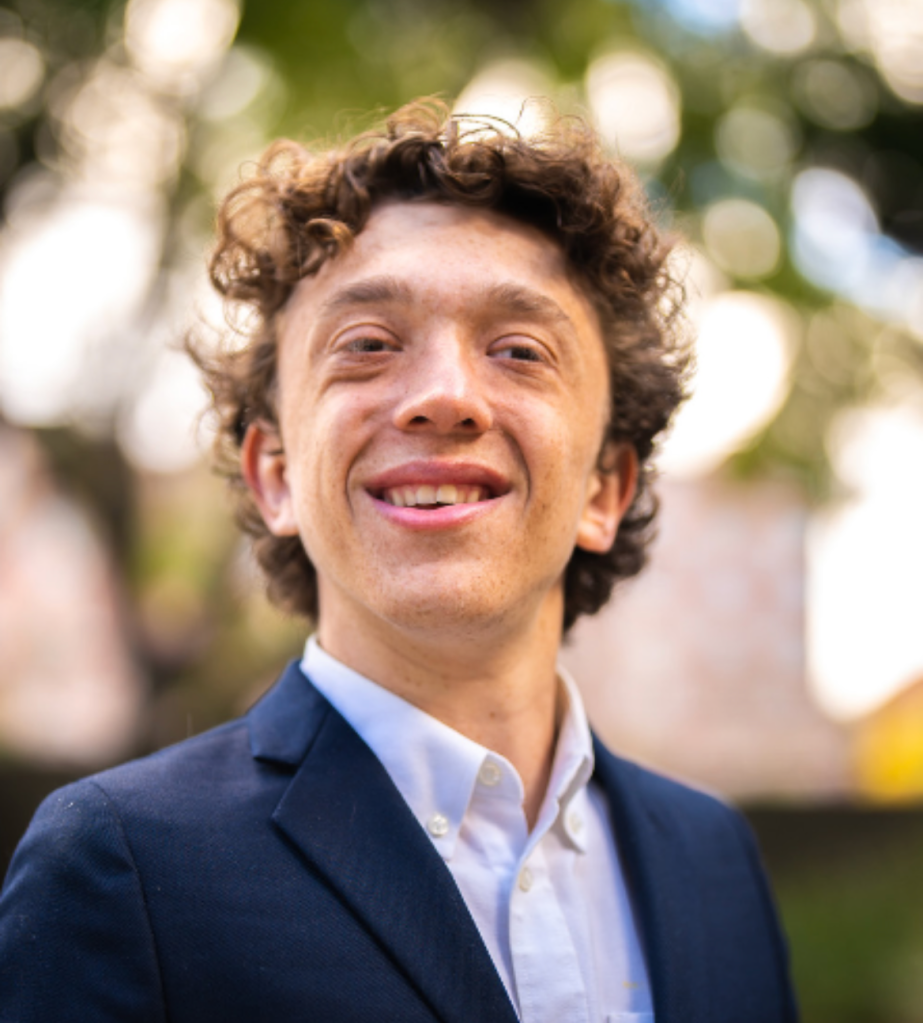
Joseph Newell is a third year undergraduate at the University of Southern California. He is pursuing a Bachelor of Science in GeoDesign and a minor in Real Estate Development. Through his studies, he is invested in creating a more sustainable built environment and aiding others to ensure urban development can stand the test of time through the use of GIS. He looks forward to the opportunity of working on global projects that aim at creating a more equitable and sustainable world.
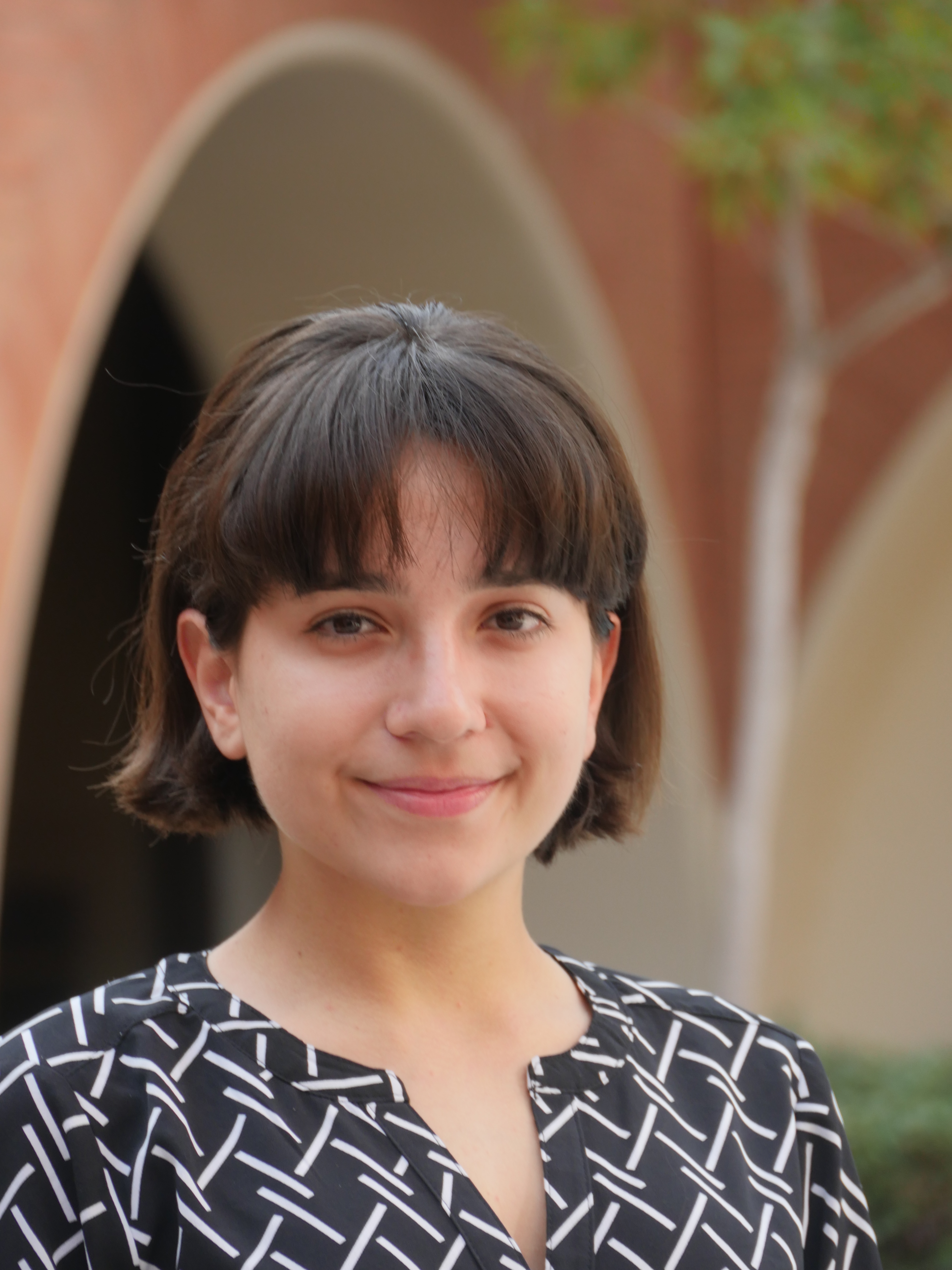
Ivana Karastoeva (she/her) is a third-year undergraduate at the University of Southern California studying for her BA in Global Studies with a minor in Spatial Studies. Her interests lie in public policy and administration and exploring how ethnographic applications can best help when it comes to representation in the public sphere. At USC, she is the Publishing Chair for Glimpse from the Globe, an online student-run publication centered on producing timely and timeless analysis on global affairs. She is also a Fellow with the Global Policy Institute, a think tank style international relations organization where she helps plan and host informative events on topical global issues. Outside of anthropology, Ivana is interested in spatial analysis and GIS. She is currently working with the USC Archeology Research Center on a co-sponsored project with the University of Chicago. She is involved with the creation of an interactive map where users can observe the artifacts found at Tell Al-Judaidah, an excavation site in southeastern Turkey in the Hatay province.
